Connectivity: The Routes That Carry India–Uzbekistan Trade
Uzbekistan is doubly landlocked and India has no land border with Central Asia. Every shipment between them is a routing decision. Here is how the corridor’s logistics work today — and where they are heading.
Focus: Logistics
Mumbai → Chabahar → Central Asia
Sea–Land: Chabahar and the INSTC
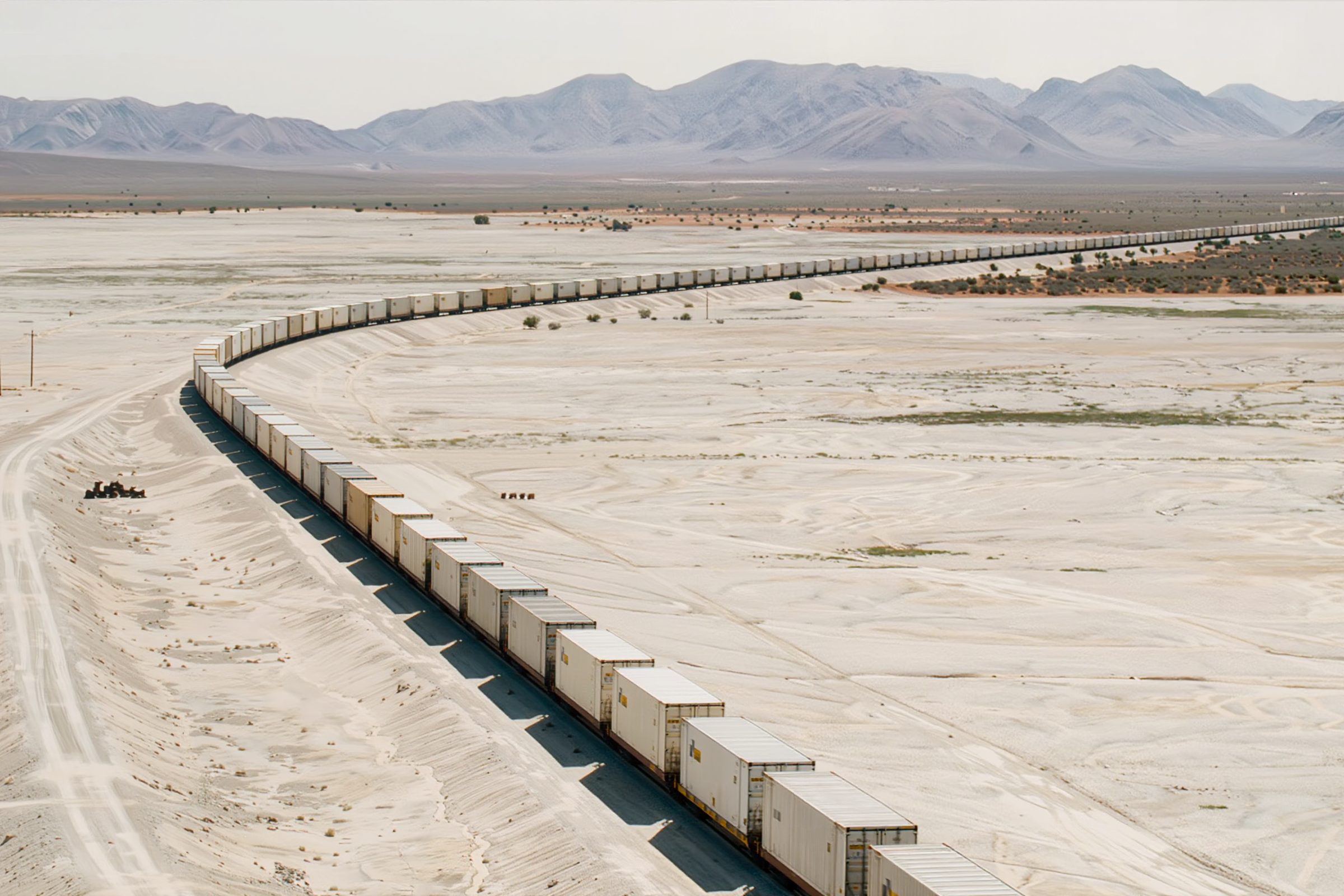
India’s primary sea–land route to Central Asia runs from its west-coast ports to Chabahar in Iran — where India operates terminal capacity — and onward by road and rail through Iran to Turkmenistan and Uzbekistan. It is the physical basis of the International North–South Transport Corridor (INSTC), which India, Iran and the Central Asian states are developing as a multimodal alternative to longer maritime routings.
Transit times and costs vary with mode, season and border procedures; the Council maintains a current routing brief for members and works with freight forwarders active on the corridor.
Both governments have made transport connectivity a standing item of the Intergovernmental Commission, alongside customs facilitation.
Focus: Logistics
Delhi ⇄ Tashkent direct
Air Cargo and High-Value Goods
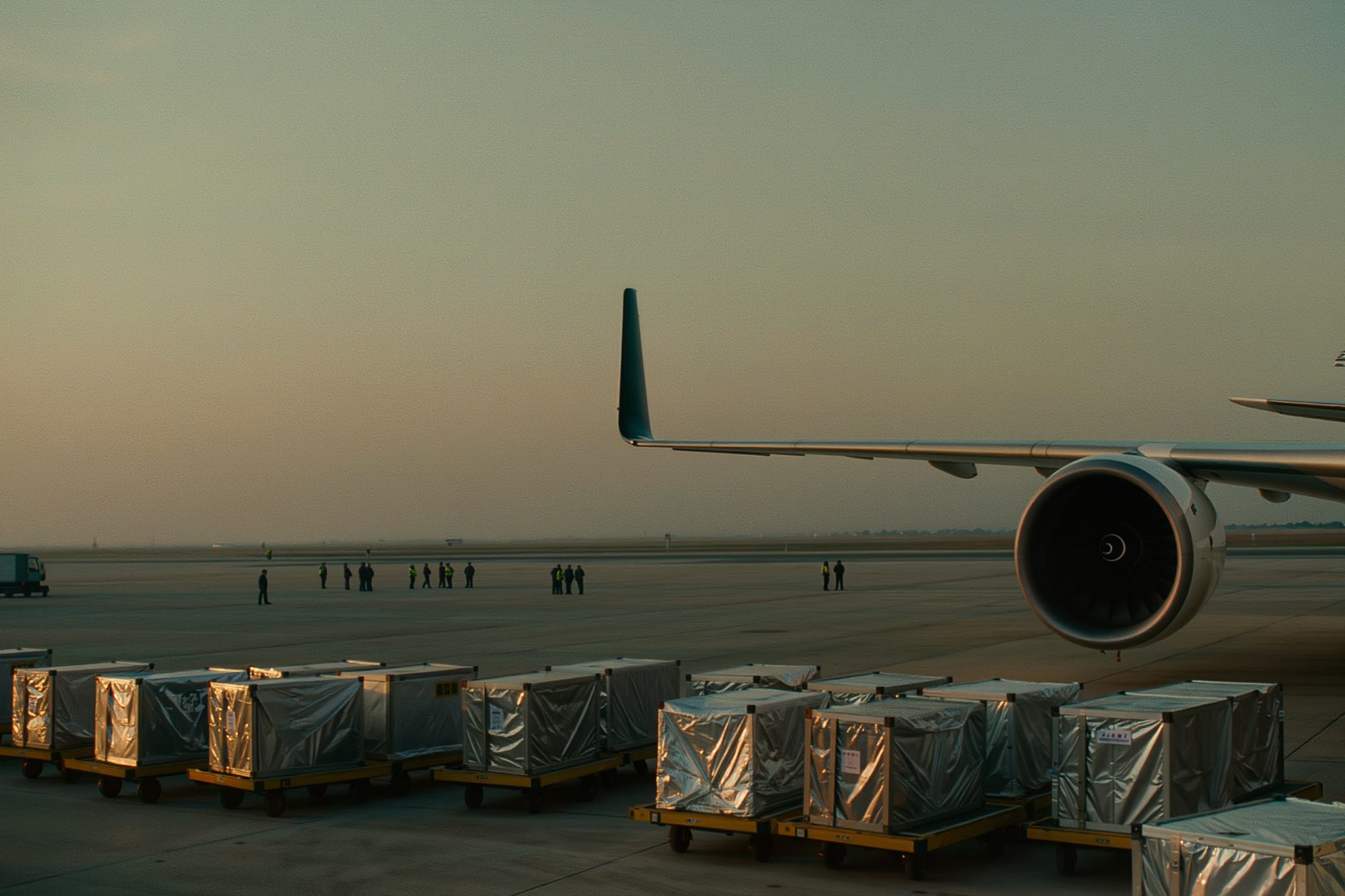
Direct flights between Delhi and Tashkent carry a growing share of pharmaceuticals, electronics and perishables. For time-sensitive and high-value cargo, air remains the default — and the reason pharmaceuticals lead Indian exports.
Uzbek fruit and vegetables — the largest export line to India — increasingly move by air and reefer container as cold-chain capacity expands on both ends.
The Council’s delegation programme includes logistics operators on both sides so that market-entry plans are built on real routing options rather than assumptions.
Members can request the Council’s corridor routing brief, updated each quarter, at contact@bubc.org.
In a landlocked market, the route is part of the product.
Routes at a glance:
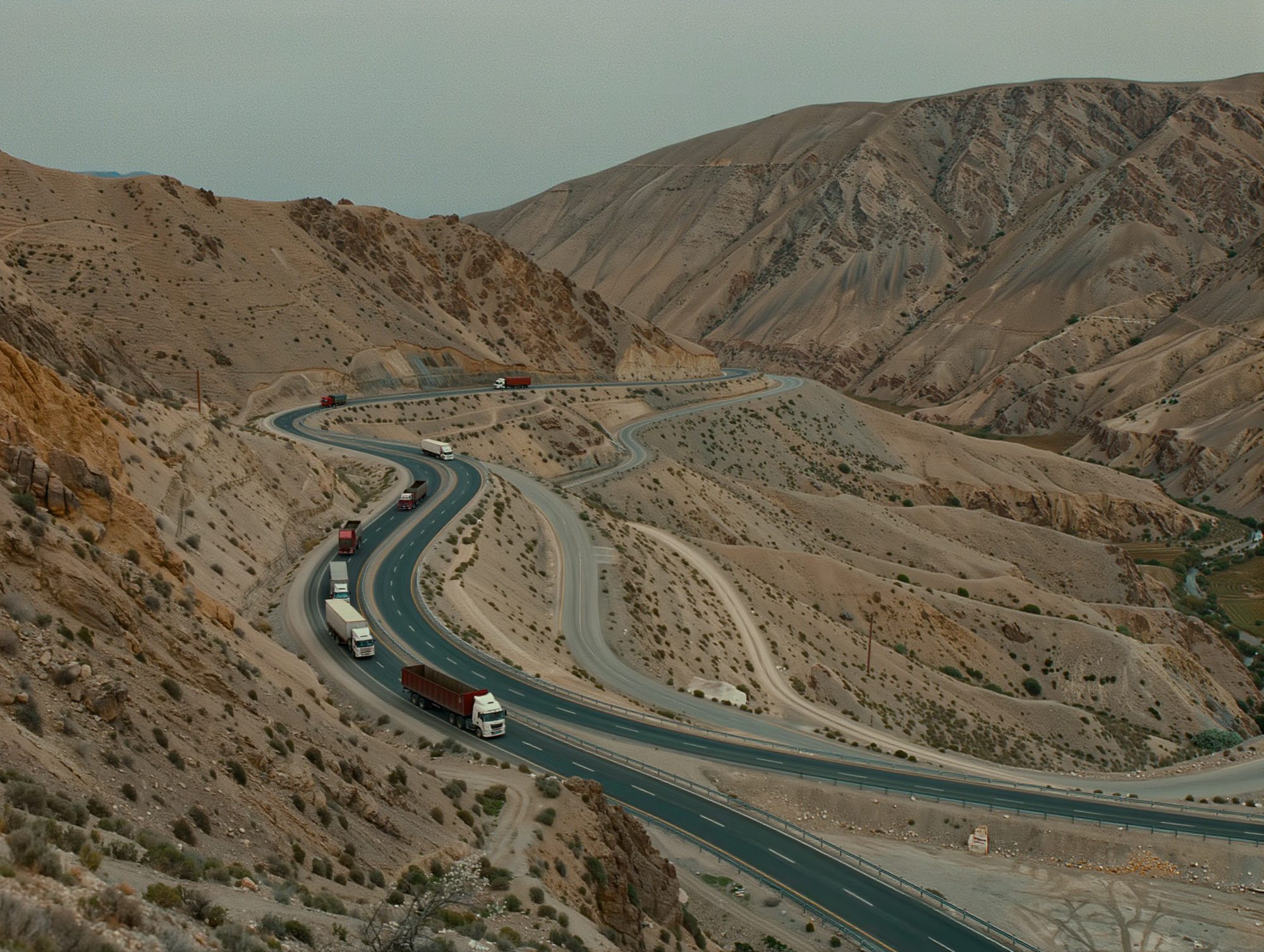
- Sea–land via Chabahar and the INSTC for bulk and project cargo
- Direct air cargo Delhi ⇄ Tashkent for pharma, electronics and perishables
- Customs and transit facilitation on the Intergovernmental Commission agenda